Signs your sourdough is underproofed
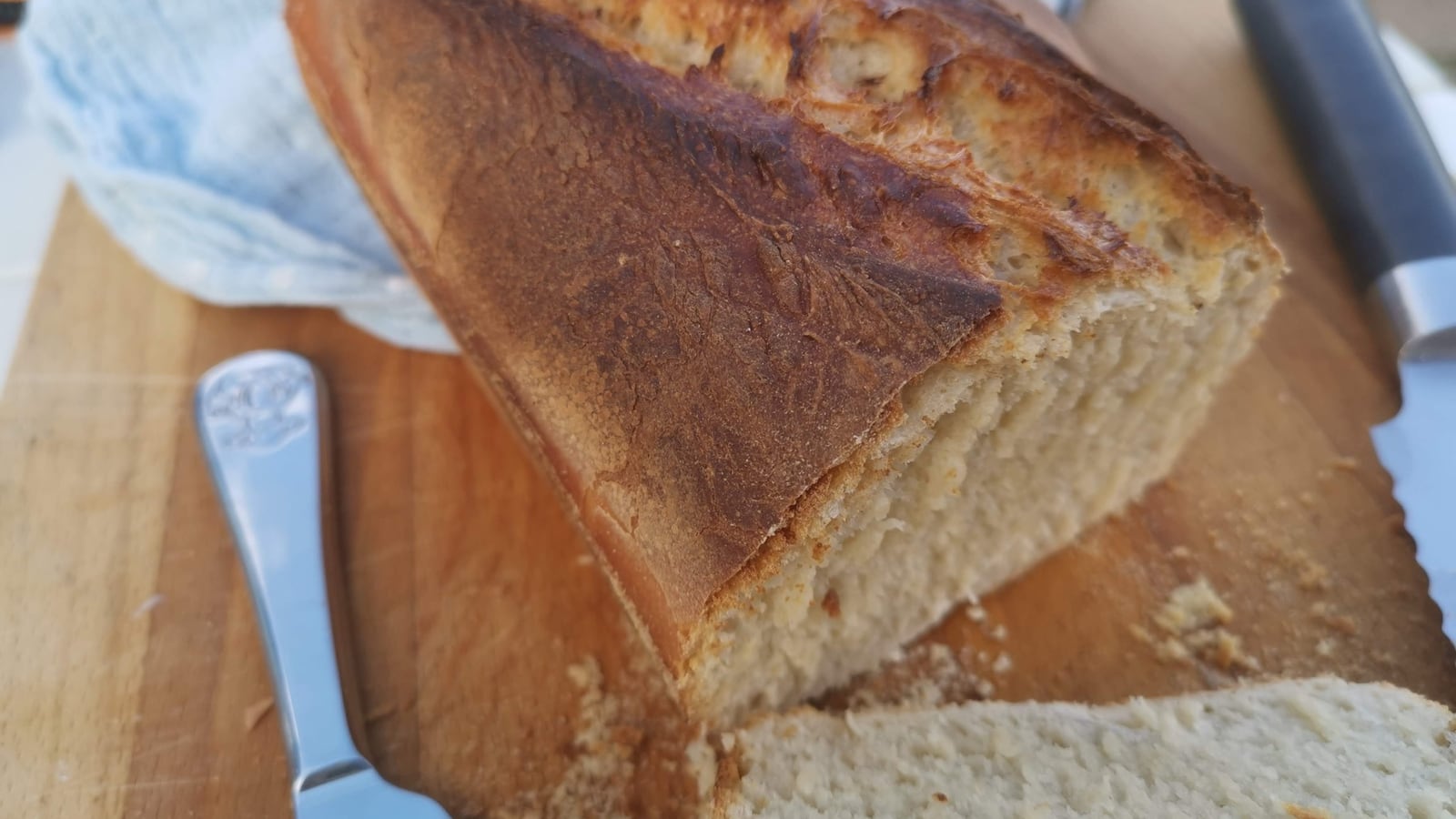
Underproofed sourdough has not fermented long enough. It may look promising on the outside, but inside it has not built enough gas and relaxation to bake evenly.
Common signs
The dough feels tight, heavy, and resistant. It may spring back strongly during shaping and feel as if it wants to stay dense. In the oven, it can burst dramatically but still bake with a tight crumb.
What the crumb tells you
Underproofed loaves often have a dense lower section, a gummy texture, or large irregular tunnels surrounded by tight crumb. This is sometimes mistaken for good open crumb, but the loaf usually feels heavy.
Why it happens
Cold dough, weak starter, low inoculation, or short bulk fermentation can all leave the dough behind schedule. Recipes that say "bulk for four hours" can be misleading if your kitchen is cooler than the recipe writer's kitchen.

Use the sourdough bulk fermentation calculator as a timing guide, then confirm with rise, bubbles, and dough feel.
How to avoid it next time
Take dough temperature after mixing, watch the dough rather than the clock, and give cool dough more time. Small temperature differences can mean big timing differences.
Why underproofing is so common
Underproofing is common because it is easy to be impatient with dough that appears quiet. In a cool kitchen, sourdough can look almost unchanged for a long time before it starts showing obvious signs of life. If you shape during that quiet phase, the loaf has not had enough time to build gas and relax.
UK kitchens make this more likely in autumn and winter. A recipe written for a warm kitchen may simply not match a dough sitting at 18°C. The clock says it should be ready, but the dough says otherwise.
What to look for before shaping
Look for a combination of signs: the dough has risen, the sides show bubbles, the surface looks smoother and slightly domed, and the dough jiggles gently when the bowl is moved. It should feel lighter than it did after mixing. If it still feels dense, tight, and resistant, it probably needs more time.
The percentage rise you need can vary. Warmer dough may be ready with less rise because it keeps fermenting quickly during shaping and proof. Cooler dough often needs more visible progress before shaping because everything continues more slowly.
How the calculator helps
Put your actual dough temperature into the bulk fermentation calculator after mixing. Add starter amount, flour mix, hydration, and salt. The estimate will tell you when to start checking closely, which is especially useful when your kitchen is cooler than the recipe writer's.
If the calculator says the dough is likely to need longer than your planned schedule, believe it enough to pay attention. You can warm the dough gently, use more starter next time, or simply accept a slower bake.