A simple organic white flour starter method for UK kitchens.
Sourdough Starter Feed Calculator
Plan when your starter will be ready to use based on how you feed it, the temperature, and what you are baking.
Keeping the sourdough tools free
If the starter calculator helps you time a better bake, you can support the work here. This link goes to the JayRozanski Buy Me a Coffee account.

Cold kitchens, warm starters, and missed timings
Every winter my kitchen drops a few degrees and my starter stops obeying the clock. Feeds that peak reliably in summer suddenly take hours longer, or overshoot overnight if I misjudge it.
This tool exists to answer one simple question properly: If I feed my starter now, when can I mix my dough?
Most home bakers keep their starter in the fridge, feed it for a bake, use what they need, and put the rest back. That is what this calculator is built for.
Traditionally this is called a levain build. You do not need to remember that term to bake good bread.
Quick starter FAQs
When is my starter ready?
Use it near peak, when it has risen well, looks bubbly, and smells fresh rather than sharply acidic.
Read the readiness guideWhat ratio should I feed?
Use a smaller feed for speed, or a larger feed when you need the starter to peak later.
Read the ratio guideWhy is my starter slow?
Cold rooms, weak flour, old starter, and underfeeding can all slow the rise.
Read the slow starter guideCan I rescue a tired starter?
Usually, yes. Give it 3 or 4 sensible feeds over about 48 hours and keep it warm enough.
Read the rescue planDoes room temperature matter?
Yes. A small jar changes temperature quickly, so a cool shelf can delay peak by hours.
Read the cool kitchen guideHow do I make a starter?
Start simple with organic white flour, water, a clean jar, and regular feeds.
Read the starter recipeWhat are you feeding for?
Starter consistency
Related sourdough reading
View all articles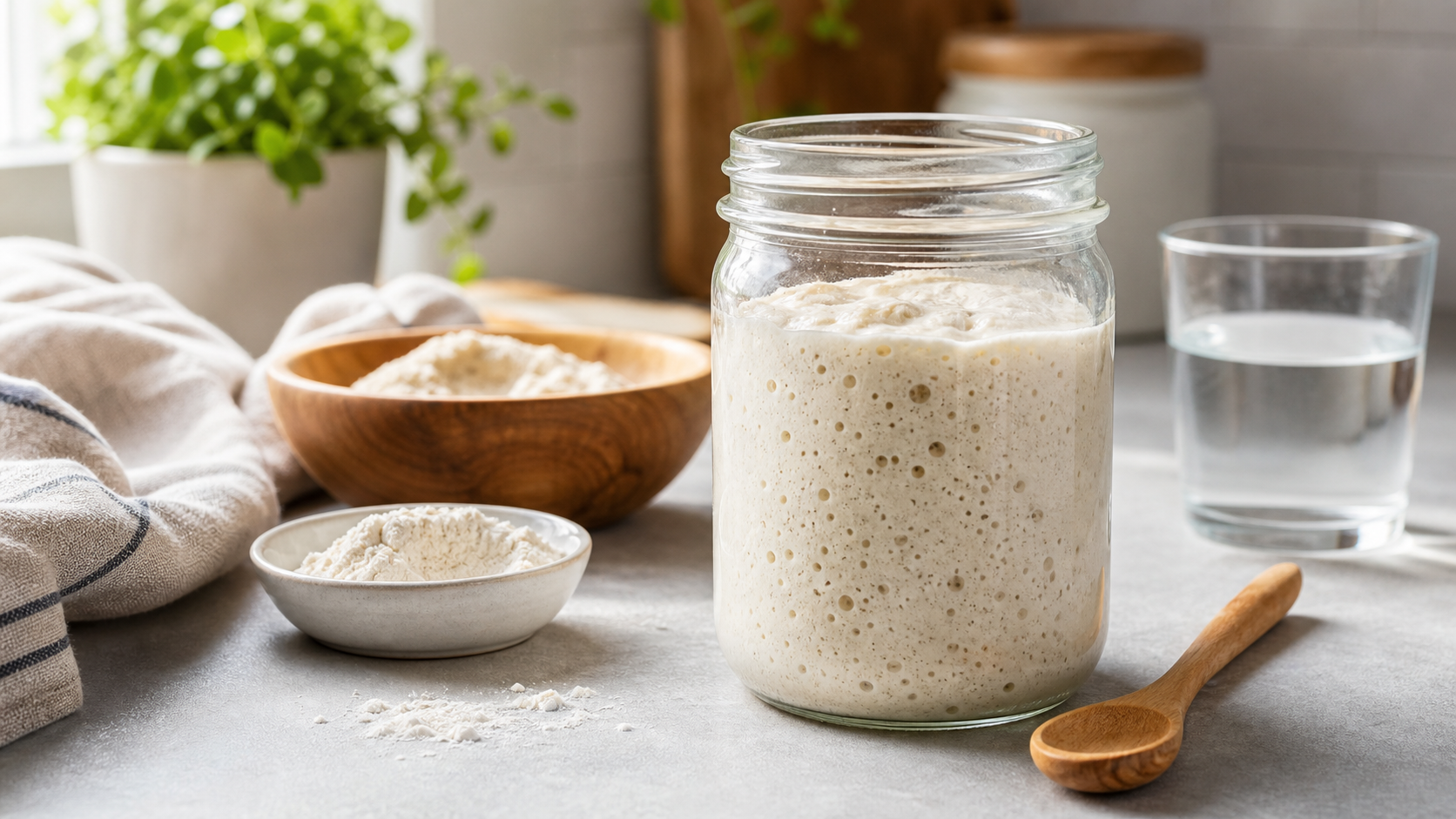
Starter recipe
How to make a sourdough starter
Starter rescue
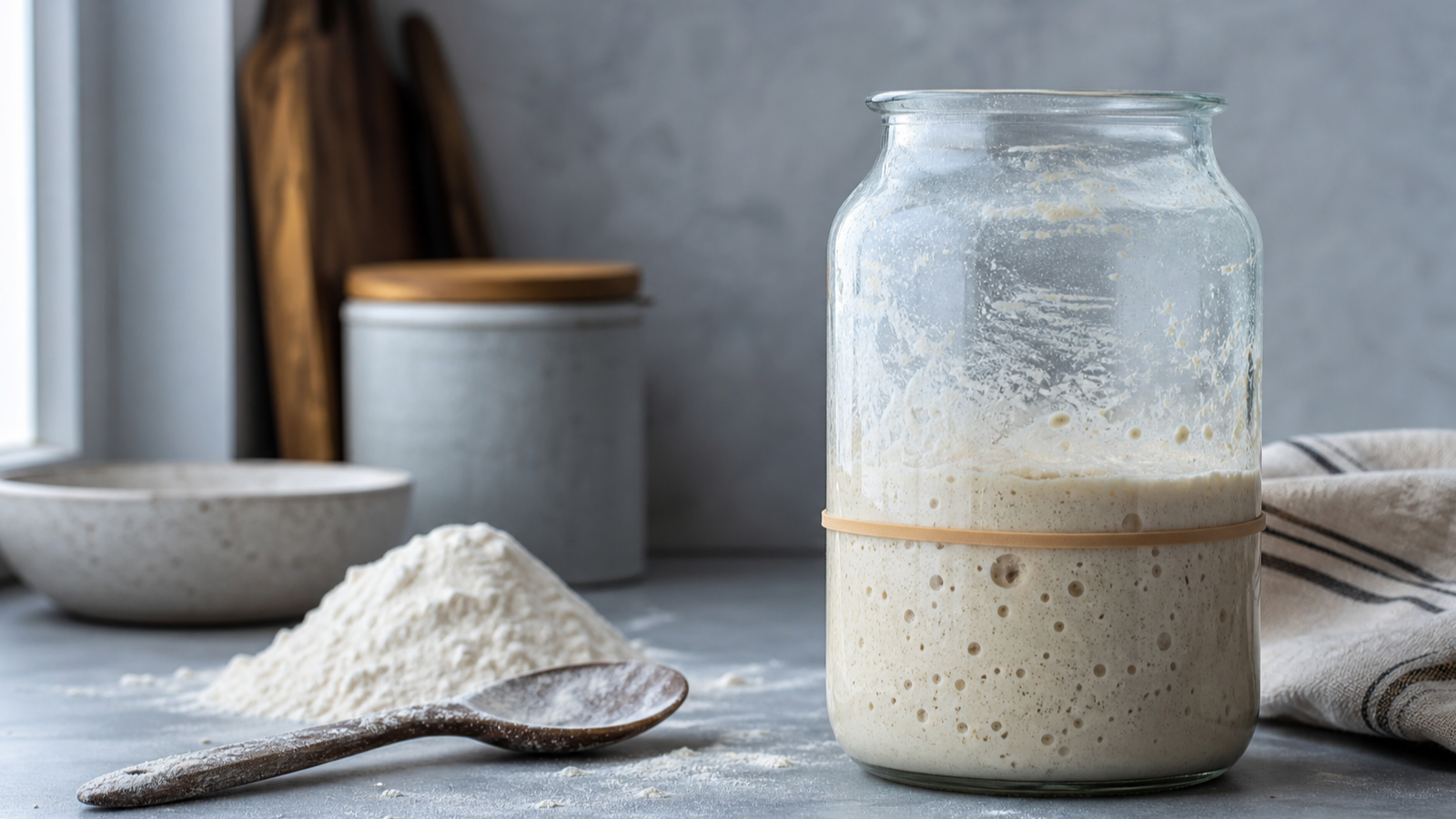
My starter is looking very sorry
A 48-hour plan using this calculator to revive a tired starter.
Starter care
How to feed a sourdough starter for baking
A practical guide to ratios, timing, temperature, and readiness.
Troubleshooting
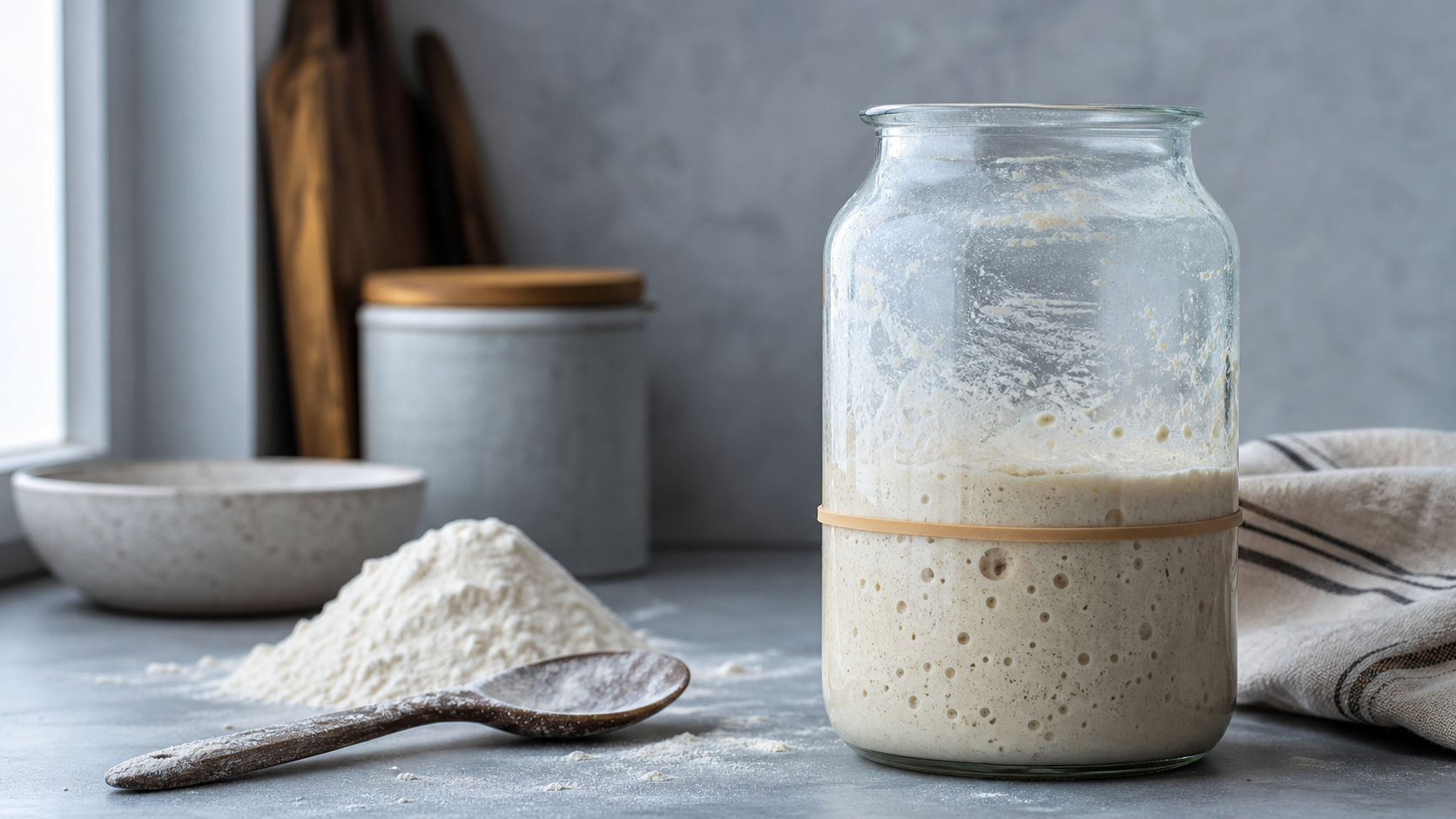
Why your starter rises slowly
The common reasons a starter drags its feet, especially in cooler kitchens.
Temperature
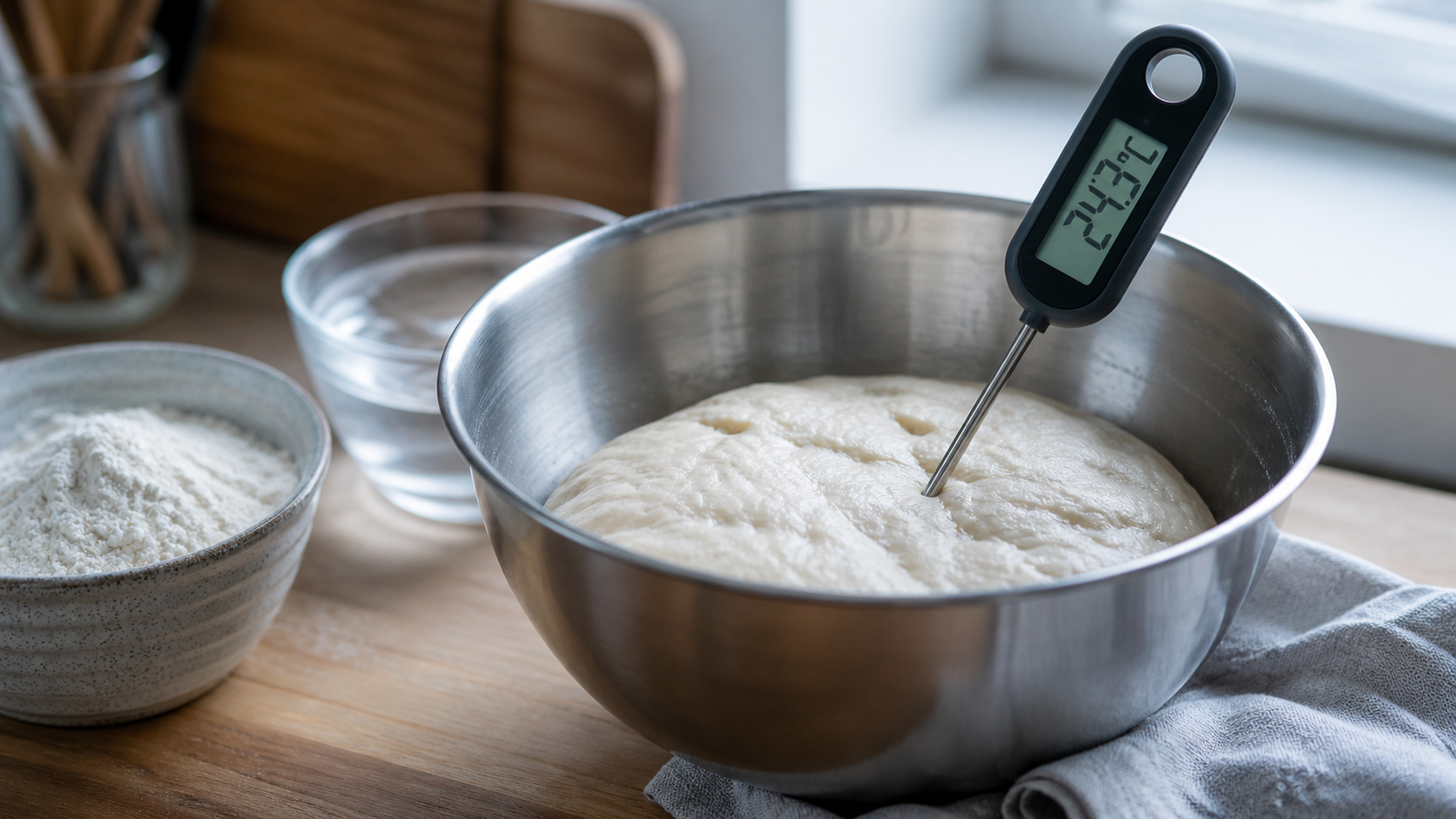
How dough temperature changes fermentation speed
Starter and dough activity both depend heavily on temperature.
Help keep the calculators useful
If this starter calculator has made your baking day easier, you can support the work here. This link goes to the JayRozanski Buy Me a Coffee account.