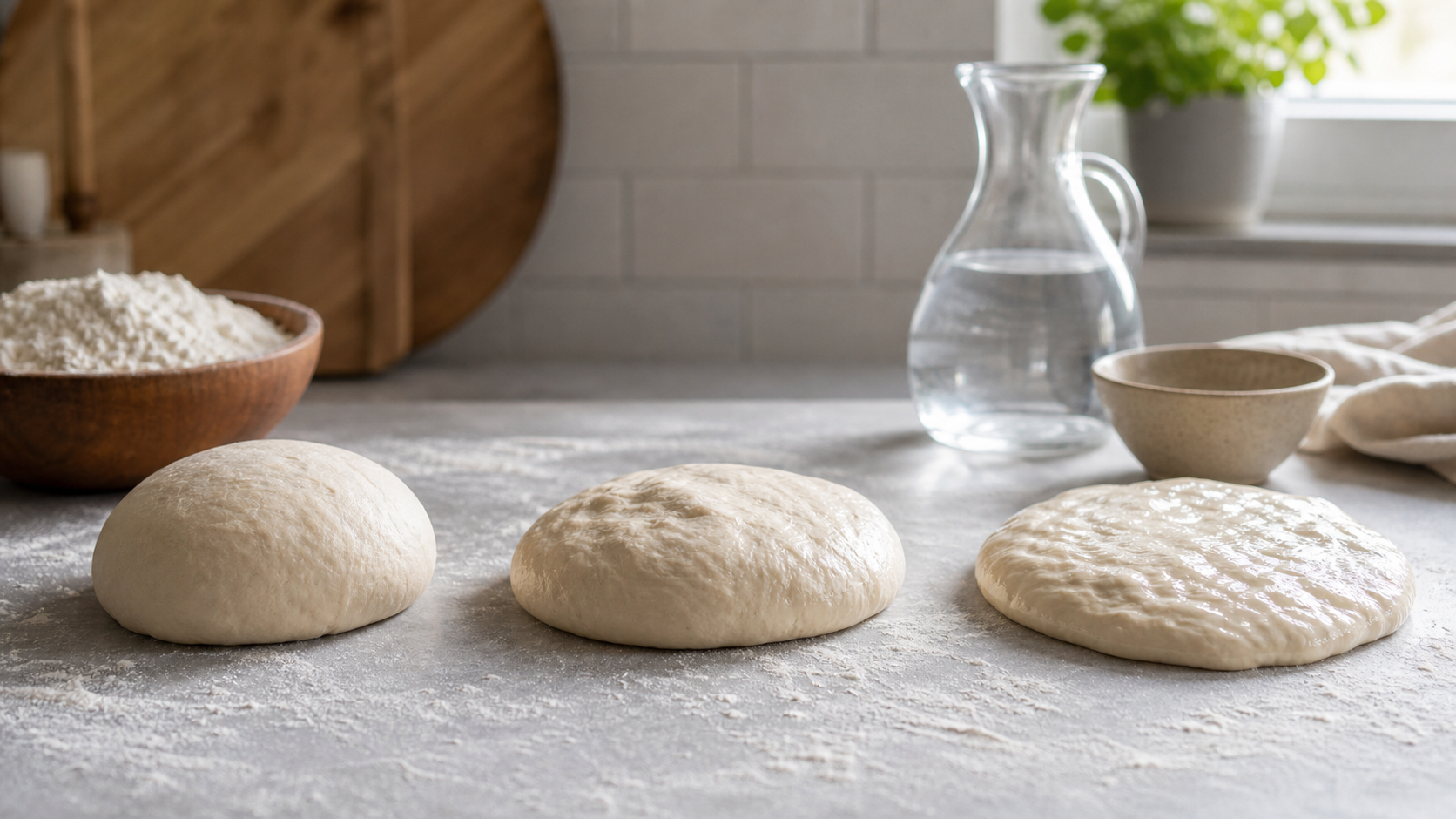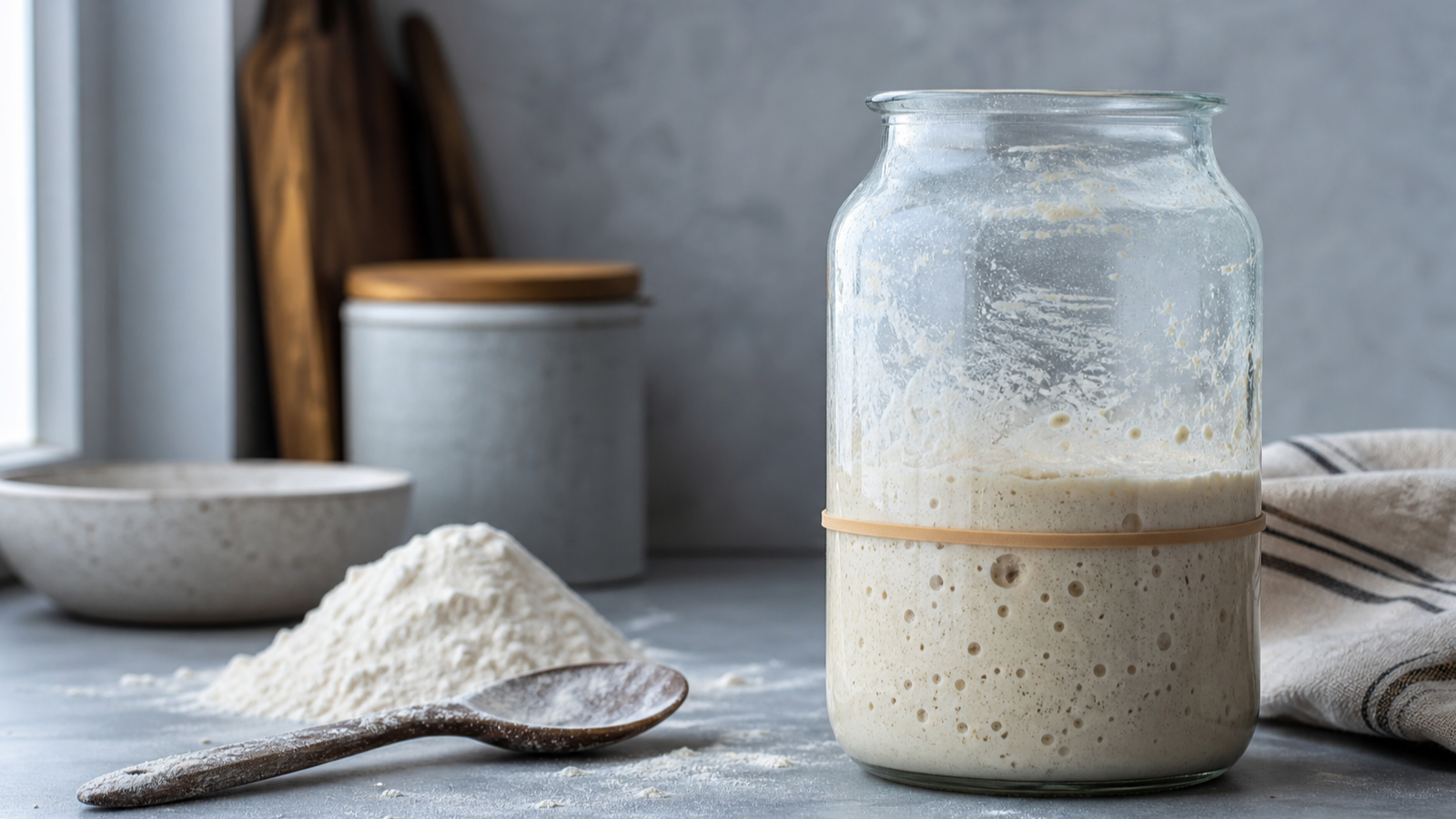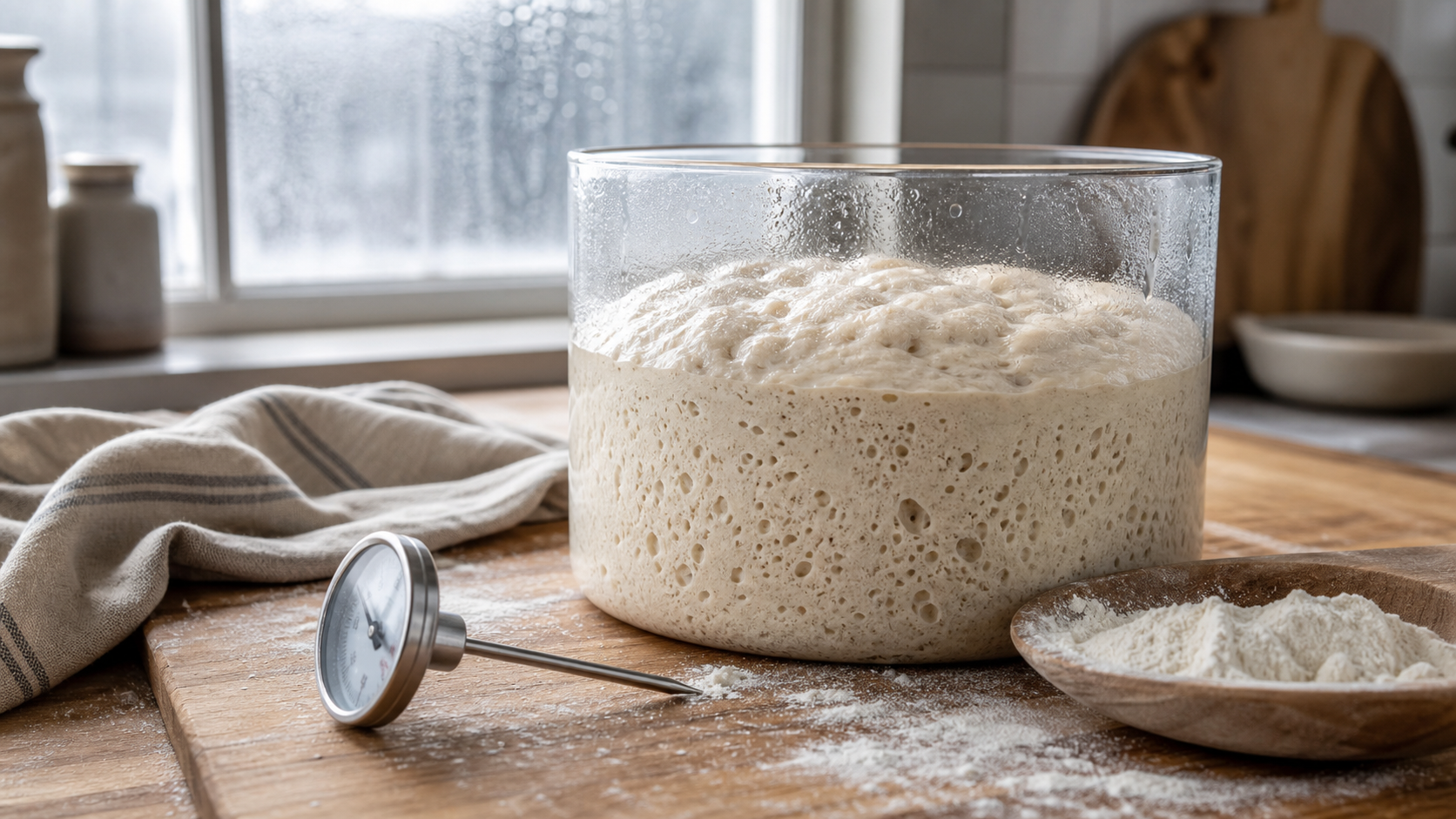
How to adjust timing when the room drops and the dough starts moving slowly.
Make your sourdough timing less mysterious.
Sourdough.help is a small collection of calculators and notes for real kitchens: cooler rooms, warmer dough, tired starters, changing schedules, and loaves that need judging by more than the clock.
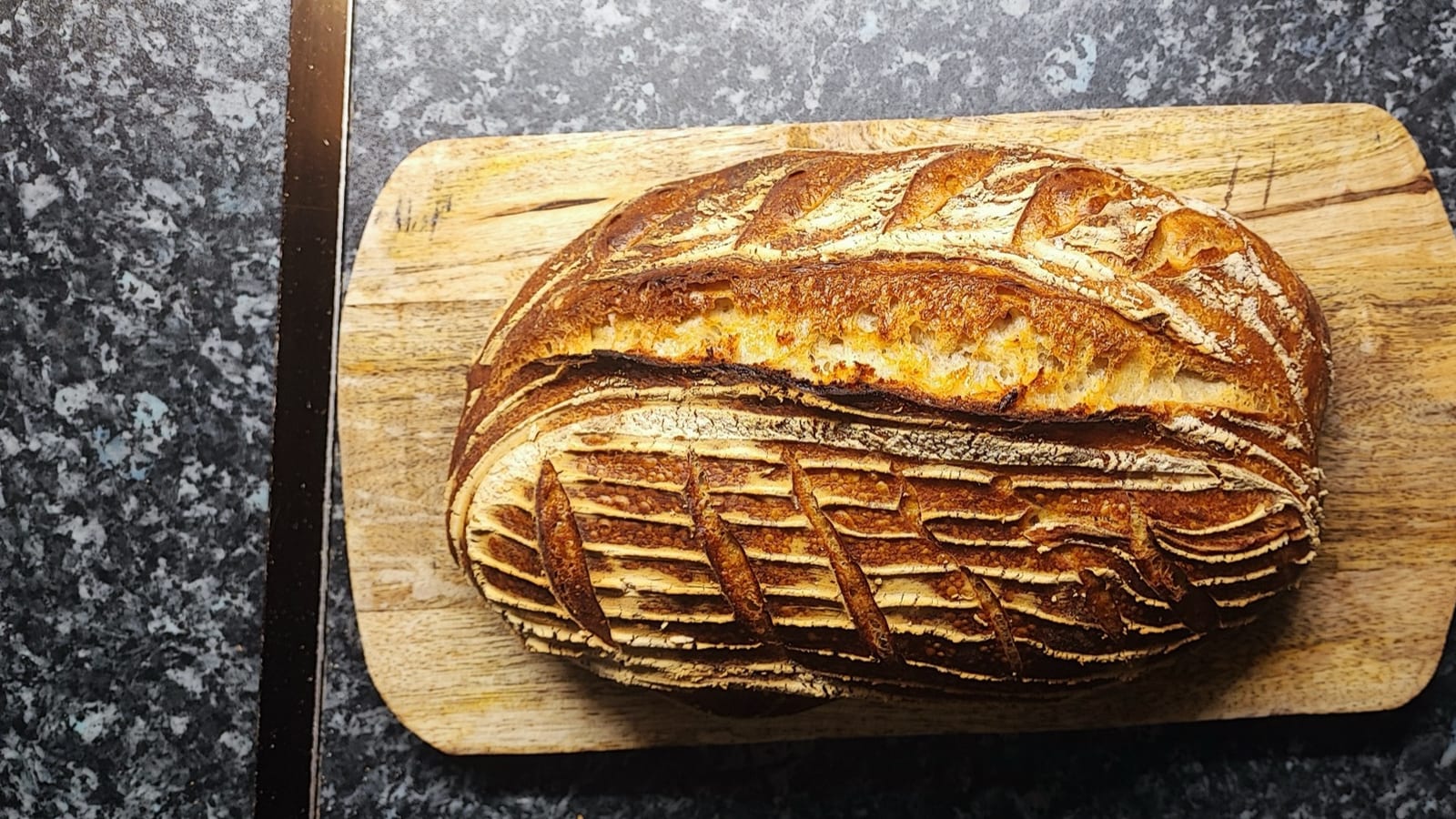
Estimate when your dough is likely to reach peak activity using dough temperature, room temperature, hydration, salt, flour type, and starter amount.
Calculator Starter feeding plannerWork out how much starter, flour, and water to use, then plan when it should be ready to bake with.
Recipes Start baking from scratchMake your own white flour starter, then use the calculators to plan feeds and fermentation once it is active.
Guides Short sourdough notesClear answers on proofing, hydration, temperature, slow starters, winter baking, and common loaf problems.
What are you trying to fix?
Is my bulk fermentation done?Rise, bubbles, jiggle, feel, and when to shape.
How do I make a starter?A simple organic white flour starter recipe for UK kitchens.
Why did the same recipe suddenly slow down?How dough temperature changes the whole schedule.
Why is my starter looking sorry?A 48-hour rescue plan with 3 or 4 sensible feeds.
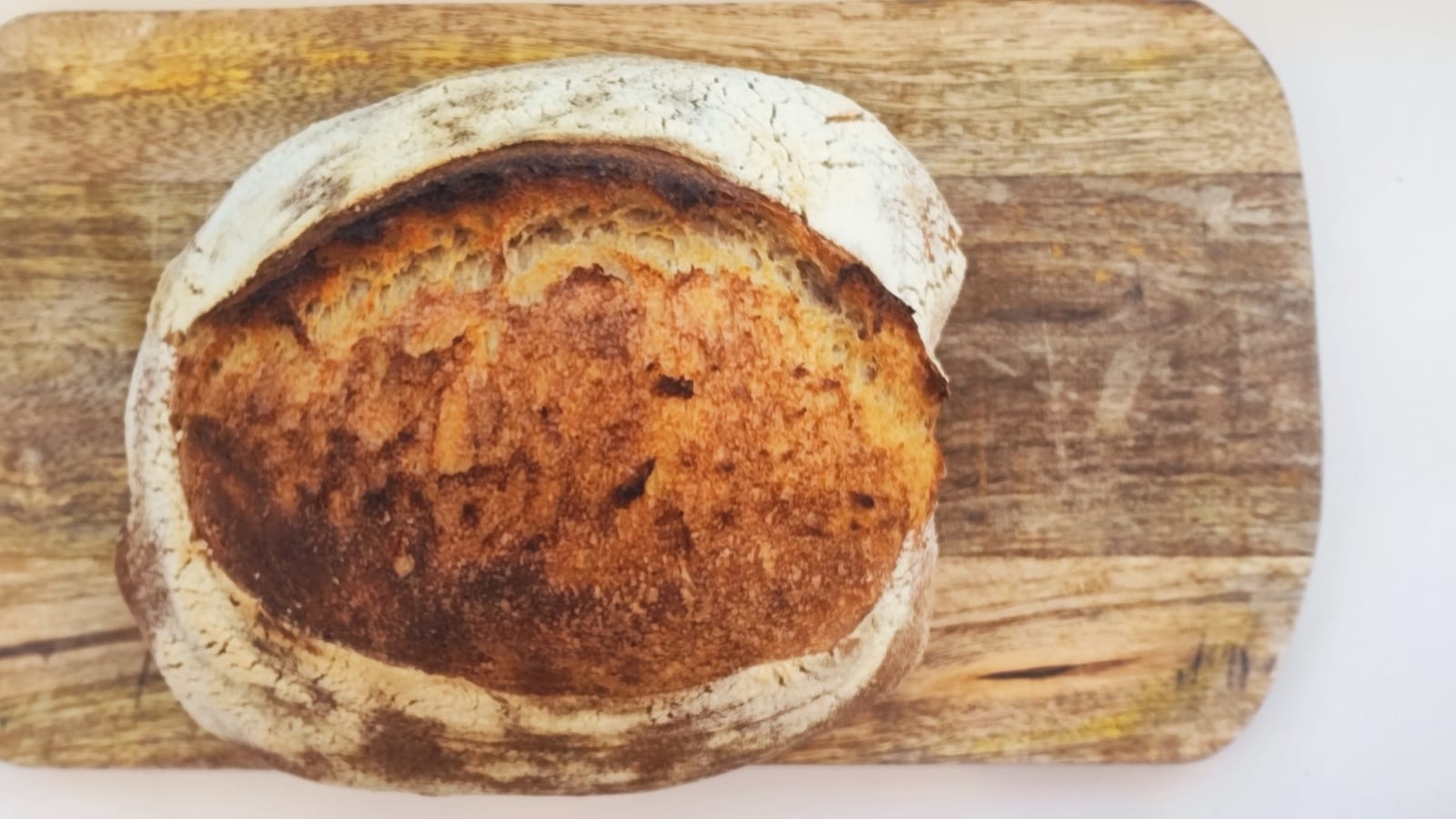
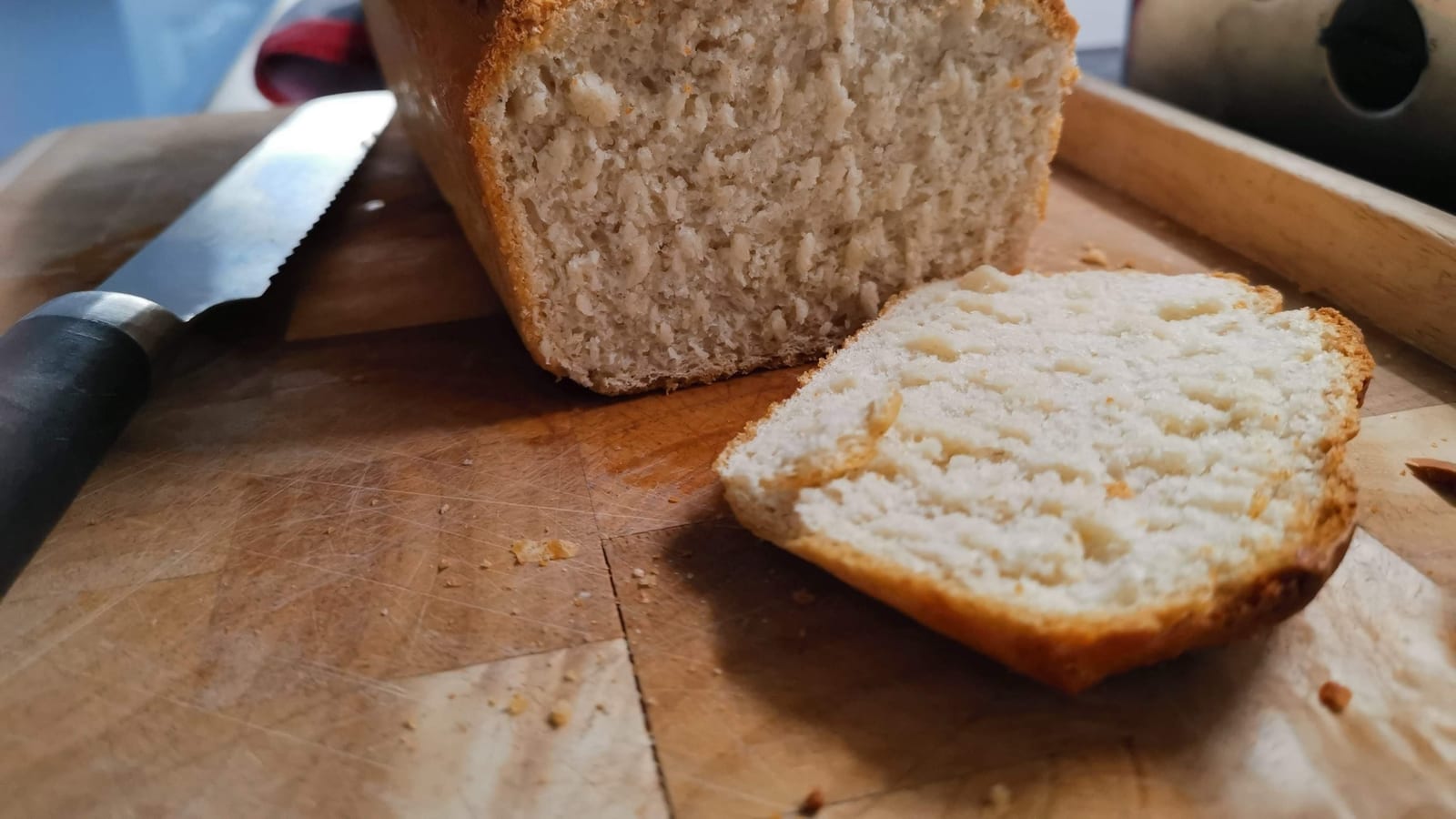
Sourdough FAQs
Browse all guidesWhy has my dough slowed down?
Cooler UK kitchens, especially in the North, can add hours to bulk fermentation.
Read the cool kitchen guideWhen is bulk fermentation done?
Look for rise, bubbles, softness, and movement. The clock is only a guide.
Read the bulk guideHow warm should dough be?
A useful target after mixing is usually around 24-26°C, adjusted for your schedule.
Read the temperature guideWhen is my starter ready?
Use it close to peak, when it is bubbly, domed, and smelling lively rather than flat.
Read the starter guideWhat hydration should I bake at?
Start manageable. Higher hydration can be lovely, but it is not automatically better.
Read the hydration guideWhat happens after shaping?
Give the shaped dough a final proof, either briefly at room temperature or slowly in the fridge.
Read the proofing guide